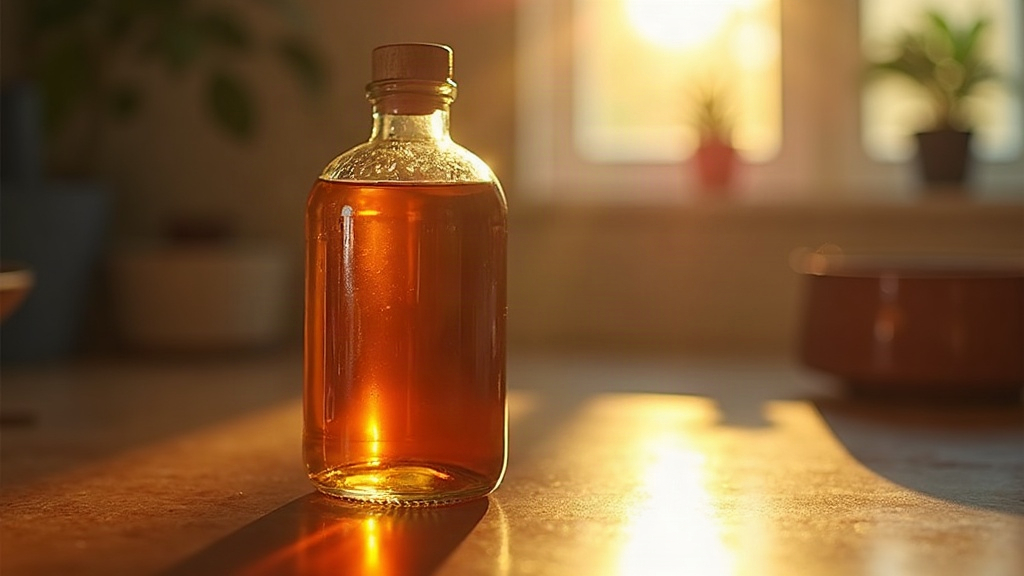
A Market Day Look at Biblical drink (oil)/ Honey blend

Biblical drink (oil)/ Honey blend and the Market Basket Habit Nobody Talks About

Between the produce stand and the spice vendor, Biblical drink (oil)/ Honey blend has quietly sat in shopping baskets for generations — this page walks through the habit, the history, and the everyday choices around it, not a promise of any result.

Everyday Nutrition  ·  Daily Habits  ·  Educational Content  ·  Market Day Routines

The Distance Between What You Expected Breakfast to Feel Like and What Actually Happens by 2 PM

Most people picture their eating habits as a steady line — a plan followed, a plate finished, an afternoon that unfolds the way the morning promised it would. The reality, for anyone who pays attention to their own energy through the day, tends to look more like a series of corrections. What follows are four familiar shapes that routine takes when the plate and the clock stop agreeing with each other.

The Post-Lunch Rollercoaster

The plate looks reasonable at noon, and yet by mid-afternoon the room feels heavier, the desk feels farther away, and the temptation to reach for something sweet or caffeinated arrives right on schedule.

A Morning That Starts Already Tired

Sleep happened, technically, but the version of tired that shows up before the first coffee has less to do with hours in bed and more to do with what dinner looked like the night before.

The Grocery Aisle Standoff

Every label reads differently depending on which article you read last week, and the fifteen minutes spent comparing two loaves of bread rarely end with real confidence about which one belongs in the cart.

The Weight of Deciding, Meal After Meal

It is not one big decision but dozens of small ones — what to put on the plate first, how much, in what order — and by dinner the sheer repetition of choosing can feel heavier than the food itself.

Three Things Repeated So Often They Started to Sound True

Kitchen wisdom travels fast, especially the kind that gets simplified until it barely resembles the original idea. Here is a closer look at three claims that circulate around carbohydrates, fruit, and so-called ‘diabetic food’ — and what a calmer reading of them actually suggests.

MYTH

Myth: All carbohydrates behave the same way on a plate.

FACT

Fact: The source, the portion, and what surrounds a carbohydrate on the plate — fiber, protein, the order it’s eaten in — all shape how a meal feels afterward, which is why two people can eat ‘the same’ food and describe very different afternoons.

MYTH

Myth: Fruit is something to avoid once you start watching what you eat.

FACT

Fact: Whole fruit comes with fiber and water that ultra-processed sweets don’t, and many households simply pay more attention to portion and timing rather than removing fruit from the basket altogether.

MYTH

Myth: There is a special category of ‘diabetic food’ that solves the problem.

FACT

Fact: Most everyday kitchens rely on the same whole ingredients everyone else uses — vegetables, whole grains, proteins — prepared with a bit more attention to portion, pacing, and variety, not a separate aisle of products.

Three Habits Built Around the Plate, Not the Product

None of this is about a single ingredient doing the work. It’s about small, repeatable habits at the table — the kind that market-going households have leaned on for generations, long before nutrition had its own vocabulary.

01

Step One — Vegetables First, Then the Rest

Starting the plate with vegetables and protein before moving to grains or starch is an old habit that shows up across many food cultures, often described simply as ‘filling up on the garden first.’

02

Step Two — A Slower Rhythm at the Table

Eating at a pace that allows a conversation to happen alongside the meal — rather than finishing in a few rushed minutes — is a habit tied more to the dinner table than to any single food choice.

03

Step Three — A Short Walk Instead of the Couch

A short, unhurried walk after a meal, even just around the block or the market stalls on the way home, is a routine many households already practice without framing it as anything more than a habit.

Where Biblical drink (oil)/ Honey blend Actually Comes From

Long before it had a marketing name, the combination behind what’s now called Biblical drink (oil)/ Honey blend traces back to old-world kitchens where oil and honey were kept side by side as pantry staples, used in bread dips, marinades, and the kind of simple dressings that turned market vegetables into a meal. In many households, the blend was less a remedy than a flavor — something drizzled over greens, stirred into a morning grain, or offered to guests alongside bread as a gesture of hospitality. Its presence on kitchen tables across generations had more to do with taste, preservation, and tradition than with any claim about health.

This is a story about food history and kitchen habit, not a clinical account — and it’s not a substitute for the guidance of the doctor or dietitian who already knows your situation and your treatment plan.

Six Everyday Moments Worth Bringing Up With Your Doctor

When the Afternoon Slump Becomes a Daily Pattern

If the same heavy, foggy stretch shows up most afternoons regardless of what was eaten, that's a pattern worth describing to the doctor who already follows your care, rather than something to interpret alone.

When Mornings Feel Harder Than They Used To

A tiredness that doesn't ease with sleep, appearing consistently over weeks rather than the occasional rough night, is worth mentioning at your next appointment.

When Thirst or Trips to the Bathroom Change Noticeably

Any clear shift in how thirsty you feel or how often you need a bathroom break during the day is a detail your healthcare provider is better positioned to evaluate than any article, including this one.

When Grocery Decisions Start Feeling Overwhelming

If planning meals has started to feel like a source of ongoing stress rather than a routine task, a conversation with a dietitian or your doctor's office can help turn that overwhelm into a workable plan.

When Energy Dips Interfere With Daily Tasks

Fatigue that starts affecting work, driving, or basic tasks — not just comfort — deserves a direct conversation with the medical professional managing your care.

When Something Simply Feels Different in Your Body

Any new or unusual sensation, however minor it seems, is best brought to the attention of your doctor rather than researched and self-diagnosed at home.

Notes From Kitchens That Rebuilt Their Routine

What changed for us wasn't dramatic — we just started shopping at the Saturday market again and building the plate the same way every night: vegetables first, then everything else. Dinner stopped feeling like a scramble.

Ines Dagostino
Illustrative account
I used to eat lunch at my desk in under ten minutes. Now I actually sit down, and even that small shift in pace changed how the rest of my afternoon feels. I still see my doctor every few months and haven't changed anything he's prescribed.
Marlon Okafor
Illustrative account
The market habit reminded me that a meal is supposed to take some time. We added a short walk after dinner, nothing intense, just enough to close out the day differently than we used to.
Yuki Halvorsen
Illustrative account

These reflections describe personal routines and are shared for illustrative purposes only. They are not a guarantee of any outcome, and individual experiences vary. Always follow the guidance of your own healthcare provider regarding your diet and any prescribed treatment.

Curious How a Market Day Habit Fits Into Your Own Kitchen?

Take a closer look at the history, the habits, and the everyday choices behind this page — and remember that any change to your diet, routine, or treatment should be discussed with the doctor who already knows your health history.

Advertising Disclosure: This page contains sponsored content and affiliate links. We may receive compensation if you click a link or make a purchase through the links provided on this page. This does not affect the price you pay and helps support the content we publish.

Content Disclaimer: This content is provided for educational and informational purposes only. It has not been evaluated by the Food and Drug Administration. It is not intended to diagnose, treat, cure, or prevent any disease, and it is not a substitute for professional medical advice, diagnosis, or treatment. Always consult a qualified healthcare professional before making any changes to your diet, routine, or any prescribed treatment.

Results Disclaimer: Individual results vary. Any testimonials or personal accounts shared on this page reflect individual experiences and are not a guarantee of any specific outcome. Nothing on this page should be interpreted as a promise of results.

© 2026 pfcawmtbeaumont5156global.com · All Rights Reserved